The CTO’s Guide to 2025’s Data Center Evolution
Strategic decisions CTOs make today will define tomorrow’s competitive advantage. Navigate power density challenges, sustainable energy transitions, and intelligent operations with this essential roadmap for data center transformation in 2025.
- spotlight
- March 6, 2025
- 3:08 pm
- 0 comments
1. The Evolution Imperative: Navigating the Next Generation Data Center Landscape
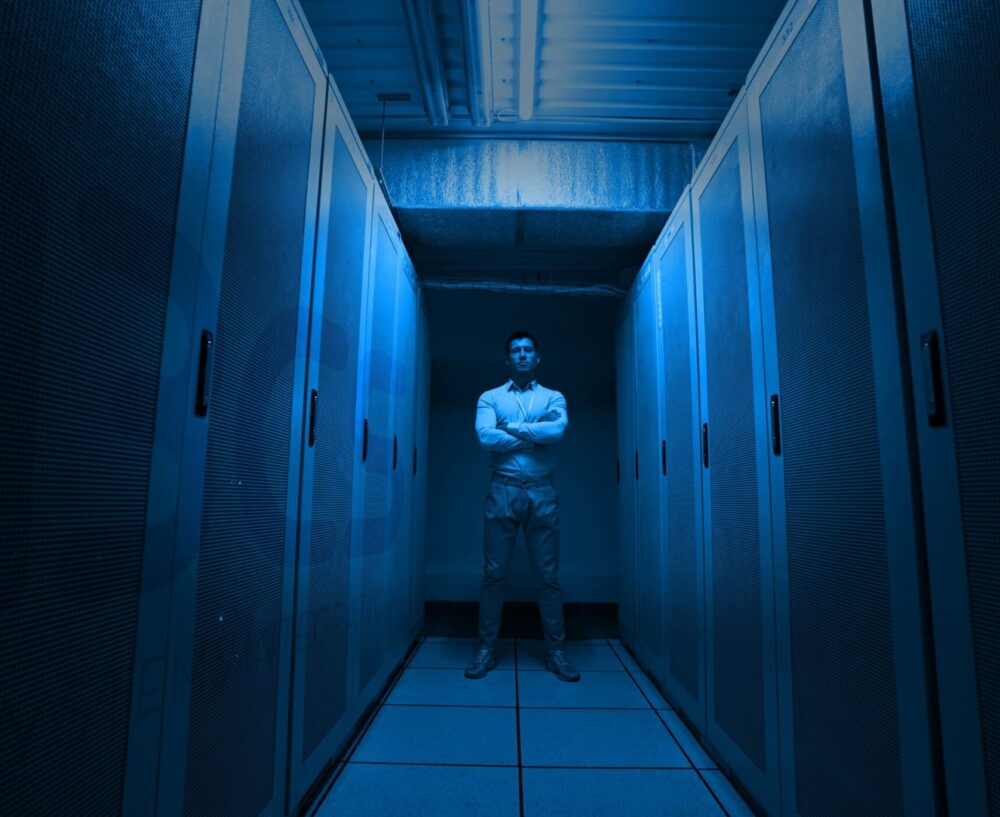
The modern data center has transformed into a complex, distributed ecosystem supporting the ever-expanding global digital economy. Convergent technologies like cloud-native principles, software-defined infrastructure, and composable systems now dynamically allocate resources according to workload demands, replacing static architectures of the past. Power density has become the critical design limitation as AI-driven compute demands push rack power beyond 100kW, forcing new approaches to power distribution, cooling, and facility structure. Forward-thinking organizations also plan for quantum-classical computing, considering specialized cooling, electromagnetic shielding, and ultra-low latency interconnects, which will be necessary as quantum capabilities mature. Meanwhile, data sovereignty requirements influenced by regulations such as GDPR and CCPA compel regionally distributed footprints to satisfy increasingly complex compliance mandates. Finally, sustainability efforts now truly extend well past energy efficiency and PUE, embracing water usage effectiveness, carbon usage effectiveness, and carbon-neutral supply chains. These shifts define the next-generation data center landscape and its rapidly evolving imperatives.
AI’s Profound Impact on Data Center Architecture
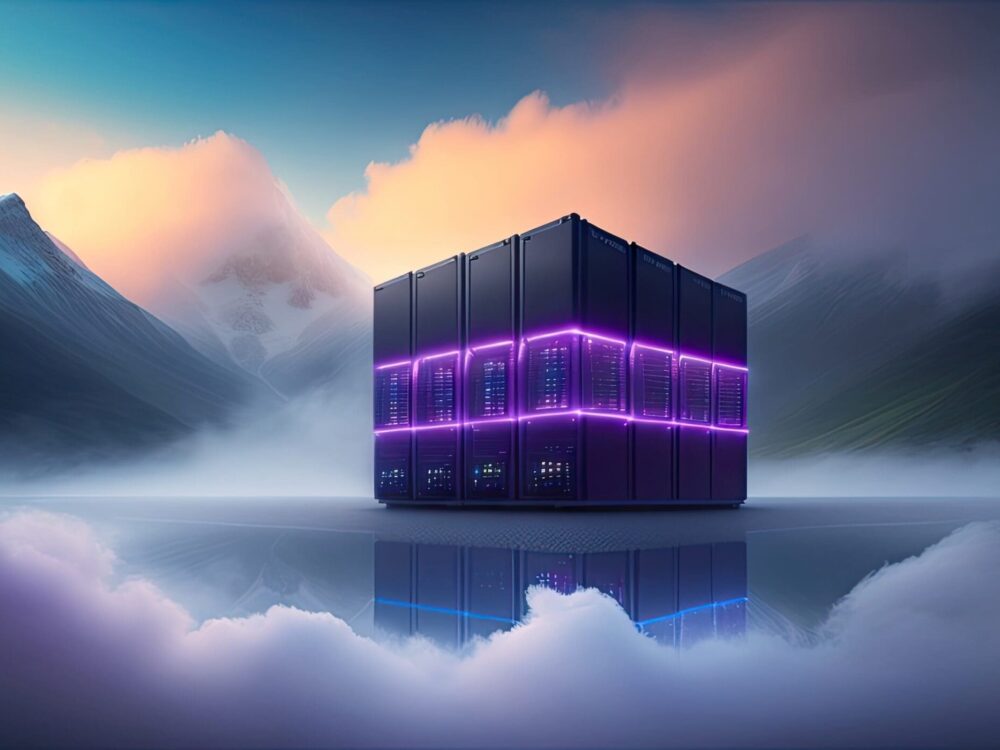
By 2025, AI is radically reshaping data center design, requiring infrastructure that traditional facilities cannot handle. This shift is monumental. Estimates suggest up to $1 trillion will be invested in AI-centric data center upgrades, led by tech giants such as Amazon, Microsoft, Google, and Meta. This transformation is most visible in skyrocketing power density demands: training advanced AI models has driven rack power from under 10kW in 2023 to 50-100kW by 2025, with some GPU-heavy configurations reaching 250kW per rack. Such extremes represent a 10- to 25-fold leap in density over just two years. Some AI training sites exceed one gigawatt in total power—enough to supply roughly 800,000 American homes annually. Analysts predict data centers will spend $75.3 billion on AI by 2028, accounting for about 35% of overall market demand. Organizations that fail to adapt risk losing their competitive edge as AI evolves from strategic advantage to operational necessity.
3. Sustainable Energy Solutions for Tomorrow’s Power Demands
By 2025, data center sustainability has moved from corporate responsibility to a business necessity. Global data center capacity may double from 50 GW to 100 GW within the next decade, raising serious environmental concerns. Berkeley Lab reports that U.S. data centers used about 4.4% of the nation’s electricity in 2023, potentially climbing to between 6.7% and 12% by 2028. Nuclear energy is emerging as a key solution, with heightened interest in Small Modular Reactors (SMRs) set to double overall nuclear capacity. This development addresses grid limitations that cannot scale fast enough for AI-driven workloads. Forward-thinking operators are adopting multi-pronged sustainability tactics, including renewable energy usage, waste heat recovery, and novel grid infrastructures. Ark Data Centres, for example, employs fresh air free cooling to reduce energy consumption. Compliance mandates like the Energy Efficiency Directive and Corporate Sustainability Reporting Directive require measurable proof of progress, underscoring the urgency of verifiable sustainability strategies.
4. Cooling Revolution: From Air to Liquid and Beyond
By 2025, data center cooling has entered a new era, driven by the intense thermal demands of AI workloads. Standard racks can exceed 50-100kW, while advanced GPU deployments may hit 250kW, making traditional air cooling unsustainable. Consequently, liquid cooling is now the default for new facilities, delivering far better thermal performance. Liquid-based methods also dominate advanced HPC designs, widely viewed as the future of high-density computing. Retrofitting older facilities fosters significant HPC opportunities while controlling capital costs. Existing data centers retrofitting liquid systems gain higher density support and enhanced asset value. Companies like Accelsius lead with NeuCool 4-Way GPU configurations, enabling direct-to-chip cooling for next-gen CPU/GPU deployments. Two-phase liquid cooling further reduces cooling energy consumption by an estimated 25-30% over conventional systems. This leap is vital for scalable, AI-ready operations. For CTOs, liquid capabilities have shifted from optional to mandatory, ensuring robust infrastructure in an era of soaring processing requirements.
5. The Edge Expansion: Distributed Computing Infrastructure
In 2025, edge computing has matured into a foundational element of data center strategy. Analysts project the edge data center market to grow from $7.2 billion in 2021 to $19.1 billion by 2026, fueled by surging IoT adoption, streaming services, and the spread of 5G networks. Private 5G implementations in particular enable the low-latency, high-bandwidth applications that define modern use cases, from autonomous vehicles to remote healthcare. This distributed approach offers tangible latency benefits but introduces complexity around security, data consistency, and operational management across multiple locations. Leading organizations are orchestrating truly seamless integration between edge and core data centers, creating a cohesive computing continuum. Such architectures are especially critical for mission-critical deployments in manufacturing, healthcare, and smart city initiatives, where performance and reliability cannot be compromised. Massive, ongoing capital investments in edge solutions remain robust, reflecting an industry consensus that distributed computing is essential to meeting next-generation application demands.

Intelligent Operations: Automation, Resilience, and Security
By 2025, advanced automation and AI-driven analytics have become central to data center management, yielding roughly 30% efficiency gains. These technologies optimize energy usage, preempt failures, and strengthen security while reducing administrative overhead. Digital twins have emerged as a powerful tool, allowing operators to model power distribution, cooling approaches, and various energy scenarios before deploying changes. This proactive insight helps avoid costly missteps, improves ROI, and maximizes resource utilization. Cybersecurity has evolved to prioritize zero-trust architectures, robust encryption, and AI-enabled threat detection in response to increasingly sophisticated attacks. Disaster recovery and resilience planning now rank among top priorities for executive boards, demanding heightened oversight and redundancy in critical systems. In parallel, Data Center Infrastructure Management (DCIM) tools provide real-time insights into resource usage, energy consumption, and performance across both core and edge facilities. Integrated DCIM strategies enable data-driven decisions, balancing cost, sustainability, and operational continuity in an ever-more complex environment.