Zero-Trust Architecture in Multi-Cloud Environments
Zero-Trust architecture is revolutionizing multi-cloud security, ensuring every access request is verified and assets are protected across platforms. This guide empowers IT leaders in Greece and Cyprus to implement robust, adaptive defenses for a safer, more agile digital future.
- spotlight
- April 29, 2025
- 4:21 pm
- 0 comments

1. Prologue: Demystifying Zero-Trust and Multi-Cloud
Q: What is Zero-Trust?
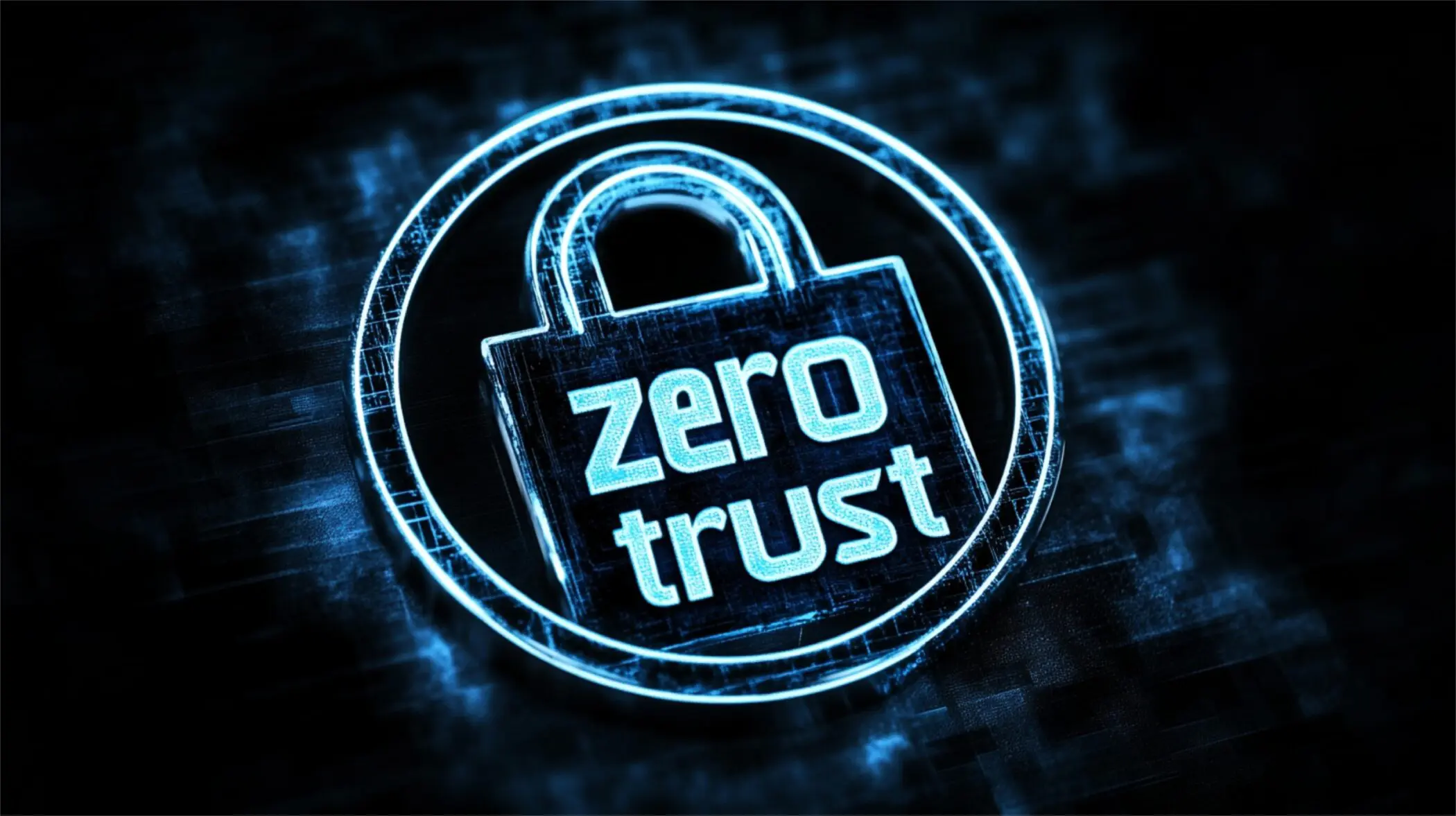
A: Zero-Trust is a security model that assumes no user or device-inside or outside the network-should be trusted by default. Every access request must be verified, regardless of origin.
Q: What is Multi-Cloud?
A: Multi-cloud refers to using multiple cloud computing services from different providers, often to optimize performance, resilience, or cost.
Q: Why combine Zero-Trust with Multi-Cloud?
A: As organizations distribute workloads across clouds, security perimeters dissolve. Zero-Trust ensures every access point is protected, reducing breach risks.
Q: Who needs this?
A: Any organization handling sensitive data across diverse platforms-especially those in finance, healthcare, and government.
Q: What are the core Zero-Trust principles?
A: Least-privilege access, continuous verification, micro-segmentation, and strong authentication.
2. The Multi-Cloud Security Challenge
Multi-cloud adoption is booming: 94% of enterprises use cloud services, and 81% deploy two or more providers. While this boosts agility, it also creates fragmented security postures. Each cloud has unique tools, configurations, and compliance requirements, making unified oversight complex. Attackers exploit these gaps-misconfigurations account for 60% of cloud breaches. For IT leaders, the challenge is to secure data, applications, and identities consistently, regardless of where assets reside. This requires a shift from traditional perimeter defenses to a more granular, identity-centric approach.

3. Core Principles of Zero-Trust Security
Zero-Trust pivots on “never trust, always verify.” It enforces least-privilege access, ensuring users and devices only access what’s necessary. Continuous authentication and authorization are mandatory-every request is evaluated in real time. Micro-segmentation divides networks into isolated zones, limiting lateral movement if a breach occurs. Strong identity and device management, combined with robust monitoring, are essential. Organizations adopting Zero-Trust see up to 50% fewer security incidents and faster breach detection. For multi-cloud, these principles ensure consistent, adaptive protection across all platforms.

4. Architecting Zero-Trust for Multi-Cloud
Designing Zero-Trust for multi-cloud starts with mapping data flows and identifying critical assets across providers. Implement centralized identity and access management (IAM) to unify policies. Use cloud-native security tools-like AWS GuardDuty, Azure Security Center, and Google Chronicle-alongside third-party solutions for visibility and control. Automate policy enforcement and monitoring to respond instantly to anomalies. Integrate APIs for seamless orchestration. Regularly audit configurations and permissions, as 70% of cloud breaches stem from human error. The architecture must be flexible, scalable, and vendor-agnostic.

5. Implementation Roadmap: Steps to Zero-Trust
Begin with a full inventory of users, devices, and workloads across all clouds. Classify data by sensitivity. Establish strong IAM with multi-factor authentication. Apply micro-segmentation to isolate workloads. Deploy continuous monitoring and analytics to detect suspicious behavior. Automate response workflows for rapid containment. Train staff on Zero-Trust principles-human error remains a leading vulnerability. Pilot the approach in a non-critical environment, then scale incrementally. Regularly review and update policies as threats evolve and infrastructure grows.

6. Overcoming Common Pitfalls and Barriers
Transitioning to Zero-Trust in multi-cloud isn’t without hurdles. Legacy systems may lack compatibility; integration requires careful planning. Siloed teams can slow adoption-cross-functional collaboration is crucial. Overly complex policies may hinder productivity, so balance security with usability. Budget constraints and skills gaps are common; consider managed services or external expertise. Finally, ensure compliance with local and international regulations, as data sovereignty laws vary between Greece, Cyprus, and global providers. Continuous improvement and executive buy-in are key to long-term success.

7. The Future: Zero-Trust as a Business Enabler
Zero-Trust isn’t just a security upgrade-it’s a catalyst for digital transformation. Organizations embracing Zero-Trust report 30% faster cloud adoption and improved customer trust. Automated, adaptive defenses free IT teams to focus on innovation. As cyber threats grow more sophisticated, Zero-Trust offers resilience and agility, making it indispensable for modern enterprises. In Greece and Cyprus, where digitalization is accelerating, early adopters will set the standard for secure, scalable growth. The journey starts with a single step: trust nothing, verify everything.